Best Time to See the Wildebeest Migration in Kenya: Complete 2026 Guide
The Great Wildebeest Migration is one of the most spectacular wildlife events on the planet, drawing thousands of visitors to Kenya every year. Often referred to as the "Great Migration," this incredible natural phenomenon sees over 1.5 million wildebeest, along with hundreds of thousands of zebras and gazelles, journey across the Serengeti-Mara ecosystem in search of fresh grazing grounds.
For travelers planning a safari, one of the most common questions is: When is the best time to see the Wildebeest Migration in Kenya? In this guide, we'll explore the migration timeline, the best months to visit, and what you can expect during this unforgettable safari experience.
What Is the Great Wildebeest Migration?
The Great Wildebeest Migration is an annual movement of wildlife between Tanzania's Serengeti National Park and Kenya's Masai Mara National Reserve. Driven by seasonal rainfall and the search for fresh grass, the migration is a continuous cycle that supports one of the richest ecosystems in Africa.
As the herds move across vast plains, they face numerous challenges, including predators such as lions, cheetahs, leopards, and crocodiles. This dramatic journey creates some of the most breathtaking wildlife spectacles in the world.
When Does the Wildebeest Migration Reach Kenya?
The migration typically enters Kenya's Masai Mara between July and October, making these months the best time to witness the event. During this period, the reserve becomes alive with massive herds and increased predator activity, creating exceptional game-viewing opportunities.
July: The Arrival of the Herds
July marks the beginning of the migration season in Kenya. Large numbers of wildebeest start crossing into the Masai Mara from the Serengeti, filling the plains with wildlife activity.
Why visit in July?
-
Fewer crowds compared to peak months.
-
Excellent game-viewing opportunities.
-
Comfortable weather for safari adventures.
August: Peak Migration Season
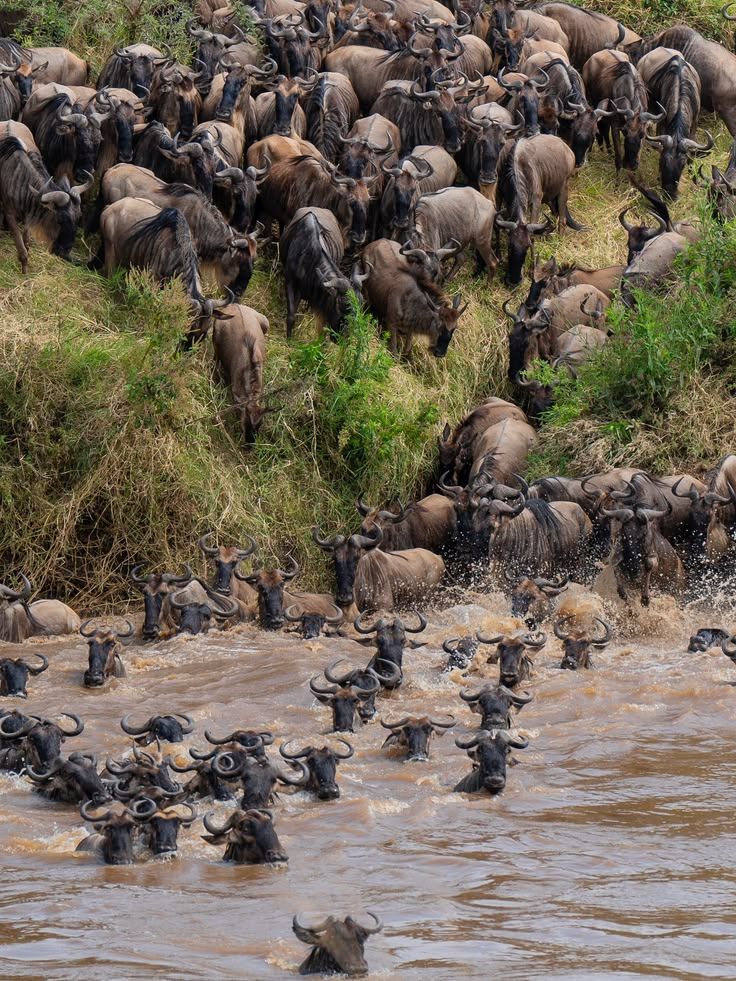
August is widely regarded as one of the best months to witness the migration. This is when the famous Mara River crossings often occur, providing dramatic scenes of thousands of wildebeest braving crocodile-infested waters.
Highlights:
-
Spectacular river crossings.
-
High predator activity.
-
Incredible wildlife photography opportunities.
September: Prime Wildlife Viewing
September offers some of the best overall safari experiences in Masai Mara. The herds are spread throughout the reserve, and visitors can enjoy outstanding game drives with excellent chances of spotting the Big Five.
Why September is special:
-
Large concentrations of wildlife.
-
Excellent photography conditions.
-
Pleasant weather and clear skies.
October: The Final Stage
By October, many herds begin preparing for their return journey south toward Tanzania. Although some animals have started moving, visitors can still enjoy fantastic wildlife sightings with fewer tourists.
Benefits of visiting in October:
-
Less crowded safari experience.
-
Great wildlife encounters.
-
More accommodation availability.
Best Time to See the Mara River Crossings
For many safari enthusiasts, witnessing a Mara River crossing is the highlight of the migration. These dramatic crossings usually occur between August and September, although exact timings vary depending on rainfall patterns and herd movements.
Since the animals move according to natural conditions, patience is often rewarded with unforgettable wildlife moments.
Why Visit Maasai Mara During the Migration?
The Wildebeest Migration is more than just a movement of animals,it's a complete safari experience that showcases the raw beauty of nature.
Visitors can enjoy:
-
Massive herds of wildebeest, zebras, and gazelles.
-
Increased sightings of lions, cheetahs, leopards, and hyenas.
-
Exceptional wildlife photography opportunities.
-
Stunning landscapes and unforgettable safari memories.
-
Opportunities to combine game drives with cultural experiences.
Tips for Planning Your Migration Safari
To make the most of your safari adventure:
-
Book accommodation early, especially for August and September.
-
Choose experienced safari guides who understand migration patterns.(TOPI TRAILS GUIDES)
-
Carry a good camera and binoculars.
-
Pack neutral-colored clothing for game drives.
-
Consider a hot-air balloon safari for breathtaking aerial views of the Mara.
Final Thoughts
The best time to see the Wildebeest Migration in Kenya is between July and October, when the iconic herds arrive in Masai Mara and create one of the world's most remarkable wildlife spectacles. Whether you're hoping to witness a dramatic river crossing, photograph the Big Five, or simply experience the magic of the African wilderness, the migration season offers an unforgettable safari adventure.
If witnessing nature at its most extraordinary is on your bucket list, there's no better time to plan your Maasai Mara safari and experience the Great Wildebeest Migration firsthand.
Naomi Waweru.